7 min read
Escrow, Explained: Why Your Lender Holds Your Tax and Insurance Money
Every monthly mortgage payment is really four bills bundled into one. Here is exactly how escrow works, why it exists, and how it can quietly raise your payment.
When most people sign their first mortgage, they think they're paying a loan. They're actually paying four things: Principal, Interest, Taxes, and Insurance — collectively called PITI. The first two go to the lender. The last two go into an escrow account: a holding tank the lender controls on your behalf.
Escrow is one of the most misunderstood pieces of homeownership because it's invisible until it isn't. Your 'fixed-rate' loan can quietly raise your payment by hundreds of dollars a year through escrow alone — even though your interest rate never moved. This guide walks through exactly how the system works and what to watch for.
What PITI actually means
PITI breaks down like this: Principal is the chunk of your payment that reduces the loan balance. Interest is the lender's fee for lending you the money. Taxes are your county or city property tax. Insurance is your homeowner's insurance premium, and on low-down-payment loans it also includes private mortgage insurance (PMI) or an FHA mortgage insurance premium.
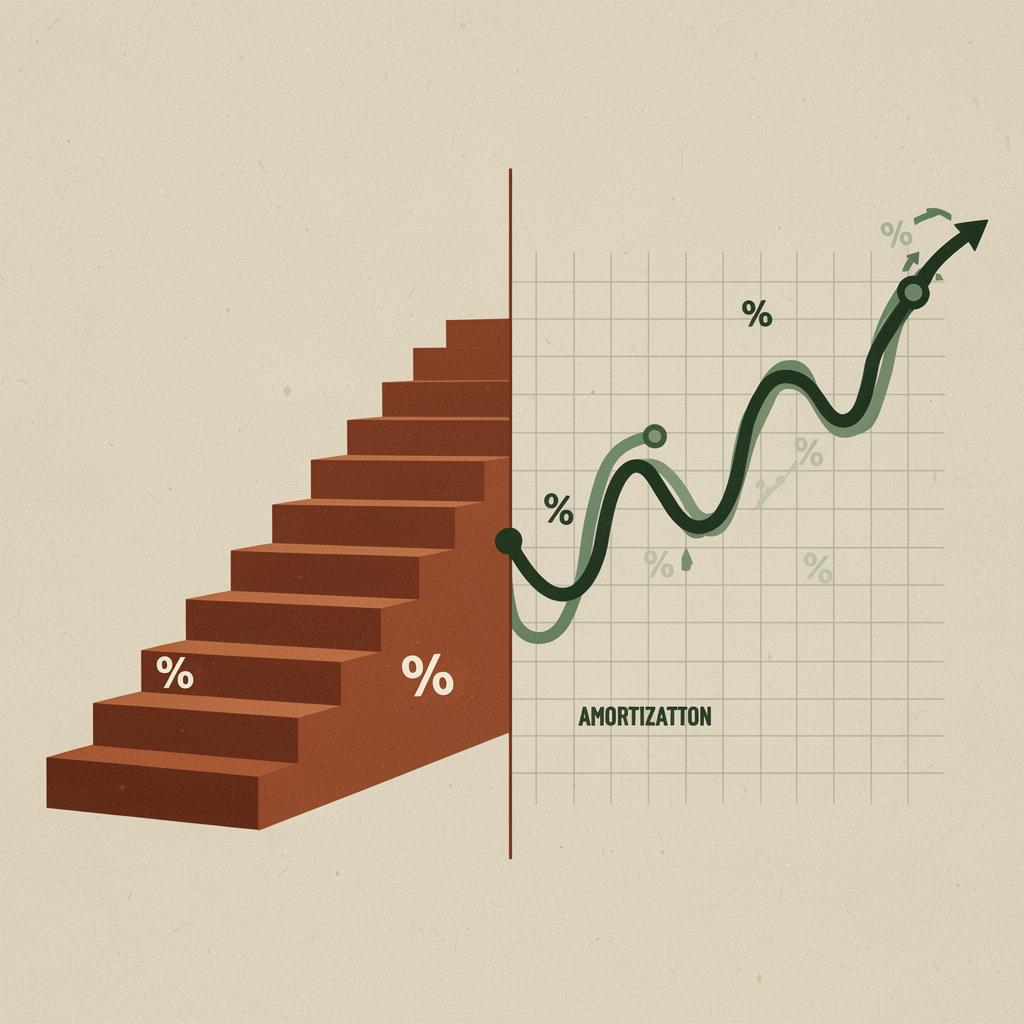
Principal and interest are computed by amortization — a fixed monthly amount that, in a 30-year loan, retires the balance exactly at month 360. Taxes and insurance are estimates. Your lender divides each annual bill by 12 and adds that to every payment, then pays the bill once a year when it comes due.
Why the bank insists on escrow
Escrow exists because property taxes and insurance protect the lender's collateral. If you stop paying property taxes, the county can put a tax lien on the house that takes priority over the mortgage. If the house burns down without insurance, the lender's collateral evaporates. Both outcomes destroy the bank's security in the loan, so the bank takes control of the money rather than trusting you to pay annually.
By law, lenders can require escrow on most loans with less than 20% down, and many keep the requirement until the loan is well below 80% loan-to-value. If your down payment is 20% or more, you can often waive escrow — but you're then responsible for budgeting and paying the bills directly.
The annual escrow analysis
Once a year your lender runs an escrow analysis. They look at the actual property tax bill the county sent, the actual insurance premium your carrier charged, and compare those to what they collected. If they over-collected, you get a refund check. If they under-collected, you get an escrow shortage notice.
A shortage triggers two things at once. First, the lender immediately raises your monthly payment to collect enough over the next 12 months to cover the new, higher annual bill. Second, they typically spread the existing shortfall over the same 12 months. So a $600 shortage on a $200/month tax bump becomes roughly a $250/month payment increase — even though your interest rate hasn't budged.
Why escrow payments rise even on a fixed-rate loan
Property taxes rise when the county reassesses your home or raises the millage rate. In appreciating markets a reassessment every 3–5 years can add 20–40% to the annual bill in one jump. Insurance premiums rise even faster: nationwide, homeowner's insurance has gone up roughly 20% per year in many states since 2022 because of catastrophe losses and reinsurance costs.
Both of those increases land on escrow first, and on your monthly payment second. Homeowners often blame their lender for the increase, but the lender is just passing through what the county and insurance carrier charged.
How to read your escrow statement
Your annual escrow disclosure shows three columns: what the lender projected last year, what was actually paid, and what they project for the next 12 months. Compare line by line. If the projected insurance premium jumped 25% in one year, call your insurance carrier and shop quotes — escrow simply reflects what your insurer charged, and changing carriers can drop the escrow line back down.
The disclosure also lists a required cushion, usually two months of escrow payments. That cushion is legal under RESPA and exists so the lender always has enough on hand to pay the next big bill. It's not a fee — you get it back when you refinance or sell.
Key takeaways
- —PITI = Principal, Interest, Taxes, Insurance. Only the first two are truly fixed.
- —Escrow exists to protect the lender's collateral, not to save you money.
- —Property tax and insurance increases pass through to your payment within one escrow analysis.
- —If you have 20% equity, you can usually request to waive escrow and pay bills yourself.
Try the math on your numbers
Frequently asked questions
Can I cancel my escrow account?+
Usually yes, once your loan-to-value ratio is at or below 80% and you have a clean payment history. Submit a written request to your servicer. You then become responsible for paying property tax and insurance bills directly.
What happens to the money in my escrow account when I sell?+
Your lender refunds the balance, minus any prorated bills they paid on your behalf, within roughly 20 business days of payoff. That refund is separate from your sale proceeds.
Why did my payment go up when my interest rate is fixed?+
An escrow shortage. Either your property tax assessment went up, your insurance premium went up, or both. The lender raises the monthly escrow contribution to cover the new annual bill plus the past-year shortfall.
Is escrow the same as a down payment?+
No. The down payment is the equity you put into the home at closing. Escrow is an ongoing monthly holding account for taxes and insurance that exists for the life of the loan (or until you waive it).